Call Us Now
+86-18806286303
Roller Conveyors: The Versatile Backbone of Efficient Material Handling
In every warehouse, manufacturing plant, logistics hub, and production facility, the smooth, continuous flow of goods is the key to maximizing productivity. Among all material handling equipment, roller conveyors stand out as one of the most versatile, cost-effective, and widely used solutions. Whether powered by motors (powered roller conveyors) or relying on gravity (gravity roller conveyors), these systems are designed to move a wide range of items seamlessly across workspaces, eliminating manual labor and streamlining operations.
From small cardboard boxes and heavy pallets to fragile cartons and industrial components, roller conveyors adapt to diverse load sizes and weights with ease. In this blog, we’ll explore their core applications across industries and the critical business challenges they solve for modern operations.
What Are Roller Conveyors?
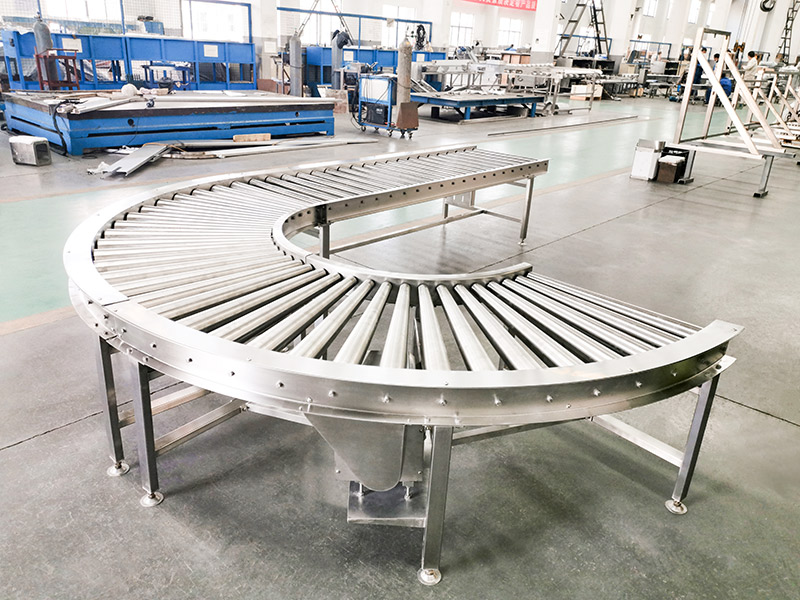
Roller conveyors consist of a series of parallel cylindrical rollers mounted within a sturdy frame, supporting and moving items along a fixed path. They fall into two main categories:
- Gravity Roller Conveyors: Operate without power, using natural slope or manual push to move lightweight to medium loads, ideal for short-distance transport and temporary setups.
- Powered Roller Conveyors: Driven by motors, belts, or chains, suitable for heavy loads, long-distance transport, automated sorting, and assembly line integration, offering controlled speed and consistent flow.
Key Industries & Applications of Roller Conveyors
Roller conveyors are a staple in nearly every sector that requires efficient material movement, thanks to their flexibility and durability. Here are the most prominent industries relying on them:
1. Logistics & E-Commerce Warehousing
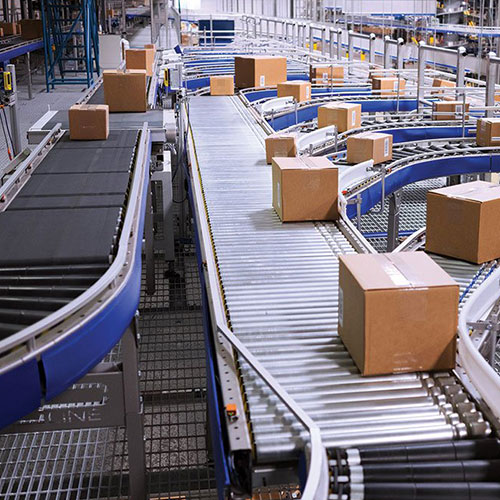
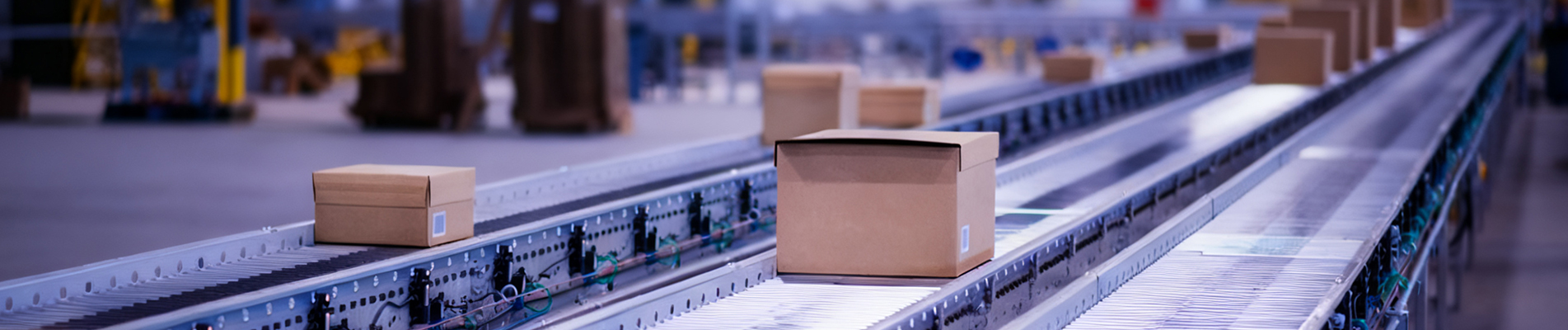
This is where roller conveyors truly shine. In bustling e-commerce fulfillment centers, courier sorting hubs, and distribution warehouses, they handle cardboard boxes, parcels, shipping cartons, and tote bins with unmatched efficiency. They connect receiving areas, sorting stations, packaging lines, and shipping bays, enabling high-speed order processing and reducing bottlenecks during peak seasons. Gravity roller conveyors are perfect for manual sorting zones, while powered models integrate with automated sorting systems for large-scale operations.
2. Manufacturing & Assembly Lines
Manufacturing facilities of all types use roller conveyors to move raw materials, work-in-progress components, and finished products along assembly lines. From automotive factories transporting car body parts and engine components to electronics plants moving device casings and assembled products, these conveyors create a linear, organized production flow. They can be customized to fit assembly workstations, allowing workers to easily access items without heavy lifting, boosting assembly efficiency and product consistency.
3. Retail & Wholesale Distribution
Retail warehouses, grocery distribution centers, and wholesale depots rely on roller conveyors to move palletized goods, cartons of merchandise, and individual packages. They streamline the process of receiving inventory, stocking shelves, and preparing orders for store delivery, reducing manual handling and speeding up inventory turnover. For grocery and food retail, stainless steel roller conveyors meet hygiene standards for transporting packaged food items.
4. Packaging & Printing Industry
In packaging and printing facilities, roller conveyors transport cardboard sheets, finished boxes, printed materials, and packaged products between machines—from printing presses and die-cutters to folding and sealing equipment. They ensure a continuous workflow, preventing downtime caused by manual material transfer and protecting delicate printed materials from damage.
5. Food & Beverage Processing
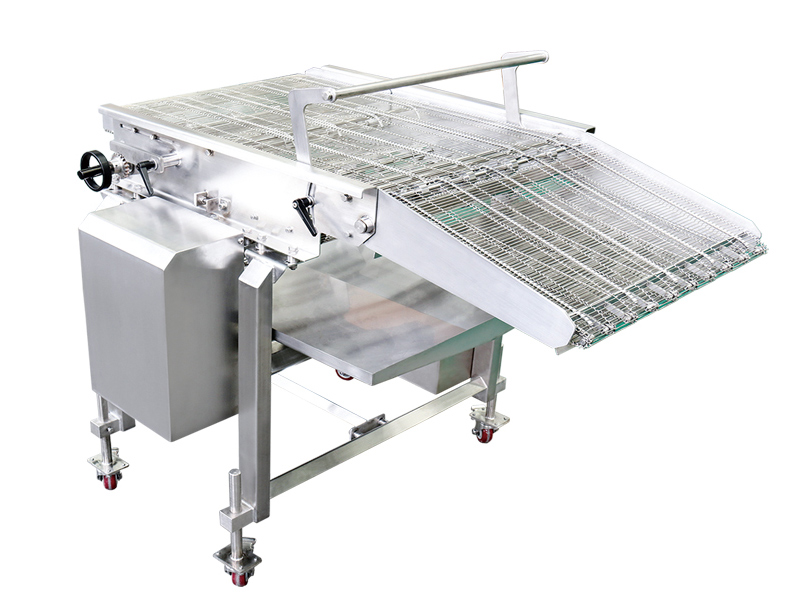
Food-grade roller conveyors, made with stainless steel frames and food-safe rollers, are widely used in food and beverage production. They handle canned goods, bottled drinks, packaged snacks, bakery products, and fresh produce, adhering to strict food safety and sanitation regulations. These conveyors are easy to clean, corrosion-resistant, and suitable for both dry and wet food processing environments.
6. Freight & Airport Baggage Handling
Ports, railway stations, and airports use heavy-duty roller conveyors to transport luggage, cargo boxes, and freight containers. Powered roller conveyors handle heavy, irregularly shaped items efficiently, ensuring quick and safe transfer of baggage between check-in counters, sorting areas, and aircraft loading zones, reducing delays and improving passenger experience.
Critical Problems Roller Conveyors Solve
Roller conveyors are more than just transport tools—they solve core operational pain points for businesses worldwide:
1. Slash Labor Costs & Reduce Manual Work
Manually moving heavy or bulky items across large facilities is labor-intensive, time-consuming, and prone to human error. Roller conveyors automate material transport, cutting down on manual handling labor, freeing up staff for value-added tasks like order picking and quality control, and eliminating the risk of workplace injuries from heavy lifting.
2. Boost Operational Efficiency & Throughput
By creating a continuous, uninterrupted material flow, roller conveyors significantly speed up production, sorting, and distribution processes. They eliminate delays from manual transfer, reduce bottlenecks, and increase overall operational throughput—critical for meeting tight deadlines and handling high order volumes.
3. Maximize Workspace Utilization
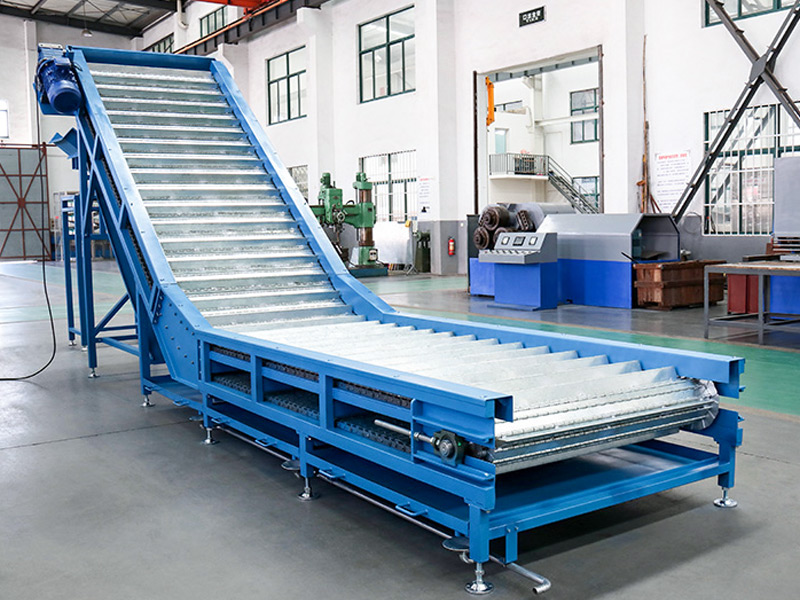
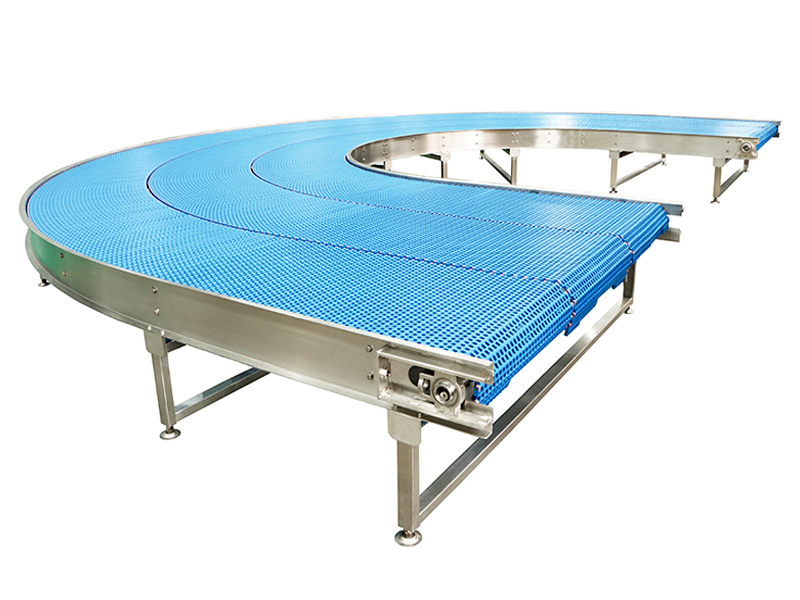
Roller conveyors can be customized into straight, curved, inclined, or spiral configurations, fitting seamlessly into tight or irregularly shaped workspaces. They optimize floor layout, allowing businesses to make the most of available space without disrupting existing operations.
4. Minimize Product Damage
The smooth, rolling surface of conveyor rollers gently transports items, reducing scratches, dents, and breakage compared to manual handling or rough transport methods. This is especially vital for fragile goods, electronics, and packaged products, lowering waste and replacement costs.
5. High Durability & Low Maintenance
Built with sturdy steel or aluminum frames and wear-resistant rollers, roller conveyors are designed for heavy daily use and long service life. They have a simple structure with few moving parts, requiring minimal maintenance and repair, resulting in low long-term operating costs.
6. Flexible Customization for Diverse Needs
Roller conveyors are highly customizable—roller spacing, frame material, conveyor width, and power options can be tailored to specific load sizes, weights, and industry requirements. They can also be integrated with other conveyor systems (like belt conveyors and turn tables) to create a fully automated material handling system.
Final Thoughts
Roller conveyors are the unsung backbone of modern material handling, offering unmatched versatility, efficiency, and cost savings across countless industries. Whether you’re running a small manufacturing workshop or a large-scale e-commerce fulfillment center, choosing the right roller conveyor system can transform your workflow, streamline operations, and drive long-term business growth.
If you’re looking to upgrade your material handling process, roller conveyors are a reliable, practical investment that delivers consistent results for years to come.


Copyright @ 2026 Nantong Jianqiao Conveyor Company All Rights Reserved.
 Network Supported
leave a message
Scan to wechat :

Scan to whatsapp :